The Great Gatsby

Since Gatsby actually came out before Star Trek, I probably should have covered it first. However, I get the feeling that more people have had the chance to catch it now, so I don’t feel bad having a spoilerrific piece. With that in mind, let’s begin:

The Great Gatsby (2013)

I’m not the biggest Luhrmann fan. I liked his version of Romeo + Juliet and Moulin Rouge was alright, I guess, but I find the guy to be a bit too impressed with himself. How can I say this about a man I’ve never met? Well, I’m on the Internet for one, where anyone can say anything about anyone else and it’s apparently fine, but secondly and more importantly, I can just feel it from his work. It’s the same thing I get from Guy Ritchie. They’re all style and no substance. Here’s the kicker- their styles aren’t even that decent. They think they’re being all meaningful and deep, but actually adhere to student film hallmarks when it comes to symbolism and being a no-nothing pretentious twunt. As for the source novel, I have read it, but it’s been goddamn years since. I enjoyed it and I remember the salient points, but I’m hardly a supermegafan. Anyway, let’s take a hopefully ilLUHRMANNating gander at Da Sick Gatz, innit:

“I knew it was a great mistake for a man like me to fall in love.”

The Great Gatsby is based on the classic novel by F. Scott Fitzgerald. It follows Nick Carraway ( Tobey Maguire), a rookie bond salesman, as he sets up a life for himself New York, renting a small house in the (sadly fictional) Long Island village of West Egg. His humble home happens to be next door to the huge estate of mysterious rich man and apparent recluse, Jay Gatsby (Leonardo DiCaprio) who throws countless lavish parties for the rich and famous in his mansion.  Across the way in East Egg is Nick’s cousin Daisy Buchanan (Carey Mulligan) and her husband Tom (Joel Edgerton). Everything’s pretty normal until one day when Nick gets a formal invitation to one of Gatsby’s parties. The story is a school-studied classic and rightly so. It’s a tale full of excess, decadence, tragedy and love. I’m not going to start picking it apart, am I? What I can have a go at is the weird framing device that’s used in the film where Carraway is checked in to a rehab centre for alcohol addiction and exhaustion. He then recounts his tale as part of his therapy. It works, but I’m not sure it was entirely needed. The cast are a mixed bag. Tobey Maguire is merely OK as Nick. He’s hardly Mr. Charisma, but then he isn’t supposed to be. However, listening to hours of his particular brand of perpetually pubescent narration may grate. DiCapriSun is decent, but that’s no surprise. My only problem with him was the way he said Gatsby’s famous phrase “old sport”. To me, it kept sounding like he was calling Carraway “Old Spore” and it bugged the fuck out of me. What is a surprise is how flat ol’ Mary Chulligan’s Daisy is. It’s not her fault though, she’s a fantastic actress in other things, just not paid much heed here. I remember people writing entire papers on how complex Daisy Buchanan was in the novel. You’d struggle to fill a postage stamp with what you learn about her from the film. The one part I think was absolutely nailed was the boorish, cheatin’ Tom Buchanan. Joel Edgerton does a great job and is pretty much how I imagined the character to be.

I think the first question most people will be looking to answer for themselves is whether the film is faithful to the novel. Well, to my mind at least, it is and it isn’t. Outside of the odd framing device, the film sticks pretty damn closely to the text. Every key moment and bit of dialogue that I could remember was present and correct.  It even goes so far as having some of the text appear on the screen in an “arty” (read: stupid) kind of way. The film certainly captures the spirit of the Roaring Twenties, with booze filled parties and flapperism. Where it steers away from the novel is in the exploration of deeper themes. It’s a shallow film, confident with visual flair and glamour, but not really able to touch on anything with any meaning. It’s merely a bunch of glitzy stuff that happens. That’s not to say there isn’t some value in that. The visuals are the best thing about the film, with Gatsby’s parties a massive highlight. I liked seeing the Valley of Ashes brought to life too.

Pre-release much had been made of the film’s soundtrack and Luhrmann’s decision to forgo period music for contemporary hip-hop. In theory, I was on board. Nothing encapsulates the world of drug-fuelled excess more than modern hip-hop, so I was with ol’ Baz. In practice, it ain’t all that. It just looks like a massively expensive pop video for the most part. In addition, there are a few period covers of songs like “Back to Black” but again, it’s not that impressive. To be honest, Django Unchained did a better job of meshing rap to its 19th century setting and Bioshock Infinite showed how anachronistic covers of songs should be done. I’m sure it’ll seem like “genius” to some people, but then some people are fucking thick.

“My life…my life has to be like this. It has to keep going up.”

Gatsby‘s a passable experience. I would say I enjoyed it, but once I got past the trappings of the shiny, shiny visuals, I found myself wanting something more significant. It’s not without its charms, but it’s a rather colloquial take on the novel. More importantly, it doesn’t do enough to justify its own existence. The Redford version is better.

Star Trek Into Darkness

I’ve only bloody gone and caught an STID!

Star Trek Into Darkness (2013)

Whilst some nerdlingers and series purists felt it was somewhat of a betrayal, I personally loved J.J. Abrams’ 2009 take on Star Trek. Yeah, it may have replaced the franchise’s hallmark slow, thoughtful science fiction approach with more of a whoosh-boom science fantasy one, but you can’t deny it was a blast. To me, and I suspect many others, it gave the series the kick up the arse it needed after some increasingly terrible Next Generation features. Not to spoil much, but 2009’s Trek ends like it should with Kirk in the captain’s chair, Spock at his side and the rest of the crew raring for a big adventure now they’ve got all that pesky reboot “getting-to-know-you” crap out of the way. By the way, the rest of the piece contains motherhonking SPOILERS, so beware.

“War is coming! And who’s gonna lead us, YOU? If I’m not in charge, our entire way of life is decimated!”

Star Trek Into Darkness (weirdly not Star Trek : Into Darkness) follows ex-Starfleet fella John Harrison (Benedict Cumberbatch) and his nasty habit of blowing shit up and killing a lot of people. Kirk (Chris Pine), Spock (Zachary Quinto), Bones (Karl Urban) Uhura (Zoe Saldana) et al. are tasked with tracking down and taking out Harrison, who has taken refuge on the Klingon home planet of Kronos. Into Darkness goes a semi-political route by bringing in notions of morally questionable missions, terrorism, WMDs and war profiteering. If you just rolled your eyes, let me assure you, I’m right there with you. To the film’s credit, these elements aren’t that obnoxious, but it may affect your ability to get lost in the rollicking fantasy of it all. The returning cast all fit their roles like gloves, with Quinto’s Spock again being the one to write home about. Alice Eve’s Carol is so shoved to one side and inconsequential that I just this second had to take a trip to IMDB to be reminded what her damn character’s name was. I’ll come back to her in a minute. The film belongs to Cumberbatch, who is undoubtedly going to become the go-to British villain in films for years to come. He makes for a cracking villain and his performance as Harrison is pretty damn unsettling at times, probably down to that deep, resonant voice he has.

Here’s the thing. 2009’s Trek was unbelievably clever in setting up the whole idea of alternate timelines and stuff. This way, they could take refuge in established characters and the like, but also have free rein to do new stuff as seen with the galactic merking of Vulcan. It was basically a way of having their cake and eating it too. It was a bold mission statement, one which I don’t think Into Darkness delivers on. Harrison turns out to be Khan- the super soldier fella already seen in both the original series and 1982’s Wrath of Khan. This is fine, but they then lean so heavily on the ’82 classic it becomes distracting. I’ve already seen Wrath of Khan, I don’t need to see a shinier facsimile of it. Key scenes are recreated and as a result, the film feels like it has no real identity of its own. The whole film feels pretty pointless as all the characters are in the exact same position they were at the end of the last film. Kirk is reinstated as captain, him and Spock are on the way to becoming BFFs and the whole crew are raring for a big adventure, just like 09’s Trek. Despite all the things that happen in the film, it’s hard to shake the feeling this installment is treading water until the next one.

One of my only problems with Trek ’09 was the constant little nods and references to the series. My main beef being that they weren’t neat little in-jokes, but things even non-Trek fans would know. Same here. Bones is practically a pullstring doll in this one, spouting one ridiculous metaphor after another. After the brazen steps the first one took, it’s a shame to see Into Darkness retreat back under the skirt of big ol’ familiar Mama Trek. As a sidepoint, there were waay too many “fuck yeah!” majestic shots of the Enterprise. Seeing the famous ship rise up from the bottom of the ocean to Michael Giacchino’s excellent “Enterprising Young Men”  is awesome, just like a similar reveal in the first film was. To do it around three or four times in the same film to the same bit of score is fucking stupid.

So, that Alice Eve thing. I don’t normally notice the sidelining of females in action flicks. That’s not to say I don’t care, it’s just that I’m usually more focused on what the film has in the shop window that what it has unfairly shoved into the stockroom. However, Carol is so wasted in the film and seems to only be there to have a needless scene in her underwear- a shot enthusiastically used in the trailers. Co-co-co writer Damon Lindelof has already been taken to task about this on Twitter and rightly so. Star Trek was a pioneering show for many different reasons, one of which was for actually treating women like human beings. Not so here. Uhura gets a bit of language business to do, but she’s mostly there to squabble with Spock.

Into Darkness is an attack on the senses. Whilst the story has been dredged up from the Complete Hack’s Guide to Making Shit Seem Relevant, Political and Deep, Yeah?, you probably won’t notice or even think about it until the credits have rolled and you’re busting for a piss. The film is pacy as hell and has some really well done action beats. The effects are amazing too. The Enterprise really looks and feels like a solid spaceship rather than a load of expensive pixels. The scene where a powerless Enterprise is spinning and hurtling towards Earth is undeniably cool.

“Are you feeling homicidal, power-mad, or despotic?”

“No more than usual.“

I was disappointed with Into Darkness. I still had fun with it, but there were too many elements that just didn’t hang together and I really object to being sold a semi-remake of a film I’ve already seen. It’s aggressive fun whilst it lasts and I suggest checking it out on a big screen if you haven’t already, but you may walk out of there with a slight sense of promises not being delivered upon like I did.


Iron Man 3

It’s been a while since I’ve done an honest-to-goodness film review and what better way to break that lazy streak than to weigh in on Iron Man 3, arguably the start of 2013’s summer blockbuster season.

Iron Man 3 (2013)

Circa 2008, the first Iron Man film found itself in a similar position to this year’s Man of Steel, having the weight of not only a franchise, but an entire interconnecting universe on its shoulders. It’s not entirely the same though, as Iron Man was and still is nowhere near the cultural icon that Superman is. As you know, Iron Man did ridiculously well at the box office thanks in part to its snappy dialogue and being a fantastic showcase for Robert Downey Jr., all of which kicked off Marvel’s Phase One (which would eventually culminate in The Avengers four years later) with a bang. Iron Man 3 on the other hand, has Phase Two to launch- a move that will end in The Avengers 2. It’s all go at chez Marvel, I tell thee.

“You’re nothing more than a maniac. I’m not afraid of you. No politics here: just good old fashioned revenge!”

After his traumatic experiences in New York, Tony Stark (Robert Downey Jr.) can’t sleep and has anxiety issues. Live-in girlfriend and Stark CEO Pepper Potts (Gwyneth Paltrow) tries to help Tony with his mental health but is finding herself pushed away by Stark’s suit-building obsession and constant technological tinkerings. Same goes for pal Rhodey (Don Cheadle) who finds himself donning a more jingoistic, red, white and blue version of the War Machine armour dubbed the “Iron Patriot”. Soon, a couple of people from Stark’s past show up, including sleazy businessman Aldrich Killian (Guy Pearce) and brilliant scientist and one night fling Maya (Rebecca Hall). This is all capped off with the terrifying presence of the Mandarin (Ben Kingsley), a terrorist leader who threatens the U.S. over video broadcasts and carries out seemingly unpredictable bombings with no trace of any device used. When one of these bombings puts long time bodyguard and friend Happy Hogan (Jon Favreau) in the hospital, Stark takes it personally and issues a challenge to the Mandarin. The story is great. It takes Stark back to a state similar to where he was in the first film, alone and forced to rely on his own wits and ingenuity to survive. Tony is genuinely vulnerable in this film, rather than Iron Man 2‘s Stark who was a smug, wackier-than-thou dick who then had a woe-is-me poisoning thing going on which didn’t work. Everyone here puts in a killer performance, especially Downey Jr. who reminds us exactly why he’s an A-Lister. Of the new recruits, Guy Pearce is bloody brilliant. Rebecca Hall is underused in the interesting role of Maya, but she does a lot with what she’s given. It’ll be Ben Kingsley who will set most tongues wagging though. He absolutely walks away with the film tucked under one arm. It’s an interesting take on the Mandarin and I wonder what hardcore comic book fans will make of it.

I had two fears when it came to this film. One, Black wouldn’t be allowed to do his own thing and would be shackled to established canon and genre conventions and two, it was going to end in the same way the first two films did with an uninspired metal-on-metal thumpfest. Thankfully, Iron Man 3 allays those concerns. From the very beginning, the film sets out its stall. It’s clear that this is very much a Shane Black film. The film opens on a very Kiss Kiss Bang Bang note with some unreliable RDJ narration over slow footage of Iron Man suits being torched. Then, the film completely wrong-footed me by scoring the opening credits with one hit wonders Eiffel 65’s  one hit “Blue (Da Ba Dee)”, a song I haven’t thought about in around 15 years. The incredulous, confused reaction this got in the cinema was delicious. This is one of many rug-pulls the film contains and in a genre plagued by predictability and cliche, it’s very welcome. If you pop open the film’s hood you’ll find more evidence of the film’s Black-ness beyond these superficial elements. The dialogue is fast, sharp and packed full of one-liners. The whole film is like a spiritual sequel to Kiss Kiss Bang Bang, with the film unspooling like a Johnny Gossamer-esque tale, complete with bombastic and kick-ass end credits (which you should know by now you have to stay to the end of, you douchetools.)

Iron Man 2 isn’t the worst film ever, but it serves as a handy comparison point. Practically everything that IM2 did wrong, IM3 gets right. Where the War Machine angle didn’t really convince in IM2, Iron Patriot works beautifully in IM3. Black and Drew Pearce have managed to finally do something with Rhodey and convinced me to join Team Cheadle after being unimpressed by his performance in Iron Man 2. The Patriot side story runs parallel with Tony’s and is completely compelling in its own right. When the two storylines finally cross, Iron Man 3 becomes the best buddy picture around, with shades of Riggs and Murtaugh coupled with Harry Lockhart and Gay Perry. I loved the third act of this film. It was slightly sloppily executed at times, as most of the suits were red and gold blurs rocketing around, but by gum, is it fun. It’s kinetic with being disorientating and epic without being nonsensical. Basically the exact opposite of a Transformers finale. Plus, most importantly, it’s not a yawnsome suit-on-suit scrap. In fact, a lot of the action is incredible inventive. My personal favourite fight is when Tony has to defeat a large number of hired goons using only one glove and one boot from the Iron Man suit. Also, the falling-out-of-a-plane, “barrel of monkeys” sequence glimpsed in the trailer is truly astounding.

Despite having spunked out all the glistening praise above, Iron Man 3, like so many things in life, is not perfect. I really liked this take on the Mandarin, but I can’t help but wonder what a slightly more faithful interpretation would have been like. Maybe I’m just a massive hypocritical meathead who likes seeing the same things over and over again, but I suppose this isn’t a big concern. I have a feeling both Pearce and Black don’t really rate comics much. The film is based on the fantastic Extremis run of comics (a storyline that both previous Iron Mans borrowed from) but deviates pretty heavily from them. The film does well with it as a framework and maybe it wouldn’t have worked on the screen, but I would have loved to have seen Extremis done justice. Also, I wanted to see more of the Hulkbuster suit.

“Nothing’s been the same since New York.”

Iron Man 3 rocks the shit. It’s the best one of the trilogy and puts part 2 to shame.  It’s funny, the actual act of writing really gets to the bottom of how I feel about a film. Say I saw an underwhelming film. I’ll start off with an idea of a few points I want to make and the final star rating and during the process start feeling incredibly annoyed and revise my writing accordingly like in my Burt Wonderstone review. Here, it’s the exact opposite. I enjoyed the film hugely but was happy seeing it just the once. However, all this talk of snappy dialogue, daring story decisions and cracking action has made me start planning a second visit to the cinema to see it again. If that isn’t a sound endorsement I don’t know what is. Much like nearly all of Shane Black’s back catalogue (especially Kiss Kiss Bang Bang) this is highly recommended.

The Incredible Burt Wonderstone

So, I found myself with a few hours to kill in a town with a pulse. As I always do in this situation, I shuffled to the multiplex. Hey- Oz is probably still showing, I thought. Or I could catch Danny Boyle’s well-reviewed Trance. After queueing up about 3 or four possible choices in my head, I got there to discover that only The Incredible Burt Wonderstone was showing and would be finished in my allotted time. Goddamn. Still, the film has a decent cast of Steve Carell, Steve Buscemi, Olivia Wilde, Jim Carrey, Alan Arkin and James Gandolfini so I decided to check it out. Urgh.

The Incredible Burt Wonderstone (2013)

I’m very wary of films that use superlatives in their titles. Not only does it smack of false advertising and I’m sure there’s someone in America right now trying to sue The Amazing Spider-Man for being sub-par, but film critics go for the low-hanging fruit every fucking time. “The Incredible Burt Wonderstone?- more like The Not-so-Incredible Burt BLUNDERstone, amirite?” Seriously, you make those shit Christmas cracker puns, I lose interest in your work. It could be the wittiest piece around with insights that change the way I think about films, but if you start with something like that, I check out. They’re not clever and definitely not funny. Why the hell are people still using them?

“Nobody cares enough about this film to put any quotes up on IMDB- so this is awkward…”

The premise is solid. Vegas magician Burt Wonderstone (Steve Carell), partner Anton Marvelton (Steve Buscemi) and assistant Jane (Olivia Wilde) are finding out that their particular brand on glitzy showmanship is being undercut by edgy street magician Steve Gray (Jim Carrey). Soon, attendance starts dwindling and Wonderstone finds himself unable to maintain his gaudy Vegas suite lifestyle and will have to relearn the basics of magic with the help of childhood icon Rance Holloway (Alan Arkin) if he’s got any hope of reclaiming his showbiz lifestyle and impressing hotel magnate Doug Munny (James Gandolfini). The idea of a campy Siegfried & Roy duo being upstaged by a Criss Angel/David Blaine character is a great, if not timely, concept. However, much like with the acting talent, it is squandered. The plot is so predictable and simple, I could have sketched it on a napkin when I saw the poster and have been completely right. Basically, it’s Talledega Nights, Anchorman or any other number of comedies released in the past 20 years. It’s one step behind the “got to do a fundraiser to save the building/worthy cause” plot in “The Complete Hack’s Guide to the Same Old Shit (foreword by Tim Burton)”. A successful man gets his riches taken away from him, has to learn the true spirit of the chosen field (magic in this case) and undergoes a personal transformation, usually whilst getting the girl as a reward and earns his place back on top the honest way. I don’t mind this too much as interesting things can be done with the narrative and a weak story can be overlooked in a comedy if the jokes are funny enough. Look at The Muppets. It has the most hackneyed plot imaginable but it plays around with the tropes and is packed with so much heart and humour that it’s forgiveable. Burt Wonderstone does not have any heart and has very little humour. The cast are all fine, but each of them is crying out for a better script and funnier jokes.

I try to go into films with an open mind. It’s tough sometimes, but doable. I wanted to like Burt Wonderstone. I have a massive soft spot for magic. If this was the Harry Potter universe, I would use my memory of opening up a Paul Daniels magic set on my birthday to conjure a Patronus. That or memories of my first love or whatever blah blah blah. I was completely on board with the film when it showed a young Burt opening up a magic set of his very own on his birthday. I instantly related. Trouble is, after this, the film spools out into an uninspired mess of broad-as-fuck humour. Mind you, it should be expected from the writers of the terrible, I-can’t-believe-people-actually-laughed-at-it Horrible Bosses and the upcoming Horrible Bosses 2, which I’m suuure is going to be a laugh riot. This film had four writers. Fucking four. What’s that saying? A camel is a horse designed by a committee? The sad thing is not one of them knows what a joke is.

Whilst most of the attention will undoubtedly be on Jim Carrey’s tattooed shirtless performance, I think due focus should go to Olivia Wilde. She’s great in everything she’s in and manages to do a lot with what is basically a trophy for Burt to win when he’s a decent enough human being. It’s no secret that female roles in comedies are usually crappy. They’re the eye-rolling foil to the man-children acting like douchebags. However, the character of Jane stunned me with how inconsequential she is. You could take her out of the film and nothing would change at all, apart from the audience maybe questioning Burt’s sexuality. In fact, much is made of Burt’s apparently legendary poon-houndism. He’s got a big ol’ case of the notgays. My guess is all the womanizing stuff was put in later because idiot test audiences started filling out questionnaires asking why the heavily made-up, coiffed, rather camp duo of Burt and Anton were “homos”. If it was an organic part of the too-many-hacks script, then that’s even worse. Burt Wonderstone is designed not to rock the boat and (male) characters are painted with big, broad brushstrokes. Steve Gray, for instance, is “evil” because his street magic is a bit extreme and may inspire kids to try his dangerous stunts. Illusion isn’t the dying art here, subtlety is.

“Then again, it saves me the effort of trawling through the terrible ‘jokes’ once more. Blessing in disguise, I guess.”

As I’ve said time and time again, it is not unreasonable to expect effort in these things. The “just a bit of fun” argument very rarely holds water. We should expect more from everything. Burt Wonderstone is a lazy, mercenary product tossed out to take advantage of the stupid and their shite senses of humour. It’s a tonal mess and the only time I laughed was in the final couple of minutes, which was at a gag that completely undoes and undermines the film’s finale and overall message. I was going to give the film two stars, but writing all this shit has made me realise how much it sucked. This is the embodiment of what’s wrong with modern comedy films. Broad cheap-seat exclusive humour and relying on star power and visuals to make up for void. Fuck this film.

Wreck-It Ralph

I’m starting to get worried. 2013 is starting to treat me too well. All the films I’ve seen at the cinema this year have been great. Now, granted I haven’t seen Movie 43 or the latest Die Hard yet, but all the films I choose to watch in the company of a couple of dozen other mouthbreathers have been of high quality.  I’m wary of the streak building. It’s bound to come crashing down at some point. Luckily, Ralph doesn’t wreck it.

Wreck-It Ralph (2013)

Those of you with fully-functional eyes might notice that the release date above this very sentence is a lot earlier than the UK release date of February 8th. For some arbitrary reason, both Wreck-It Ralph and Cloud Atlas were out in the U.S. months before they finally crawled over here. There’s probably some infuriating financial reason or bullshit market research behind all this, but to me it’s just another instance of the U.K. getting screwed. We pay more for our tickets than the U.S. does on average, yet we get films incredibly late and sometimes even get them delivered to us all chopped up to fuck.  Still, that’s a gripe and nothing really to do with the film. It’s another example of me loving the product but hating the business behind it.

“I’m bad, and that’s good. I will never be good, and that’s not bad. There’s no one I’d rather be then me.”

Wreck-It Ralph is basically a gaming version of Toy Story. After their arcade is closed for the night, the characters from various games come to life. Wreck-It Ralph (John C. Reilly) is the villain of Fix-It Felix Jr, a classic arcade title, who is sick of being maligned and underappreciated whilst the eponymous Felix (Jack McBrayer) gets rewarded and adored. Ralph leaves his game in search of a medal of his own and ends up “game-jumping” through various game worlds including the violent first person shooter Hero’s Duty, where he meets the tough-as-nails Calhoun (Jane Lynch) and the saccharine racing game Sugar Rush, where he encounters annoying pipsqueak Vanellope (Sarah Silverman). As soon as I saw the trailer for this film, I knew it’d be for me. Having been a gamer for a long time, the whole concept of a video game twist on the Toy Story conceit, with Ralph encountering some real game characters like Pac-Man and Sonic the Hedgehog excited me. I was preparing myself for a shallow, but enjoyable 90 minute fluff piece containing in-jokes and kiddie humour. Whilst both those elements are present, what blindsided me about Wreck-It Ralph was how much heart it has. The film manages to tug at the heartstrings without being mawkish or hackneyed. As with all animated features, the voice acting is flawless. Reilly makes a fantastic lead and people like McBrayer, Silverman and Lynch consistently bring the funny. Especially Lynch, who gets to spit out some amazing military one-liners. She’s like a family friendly version of R. Lee Ermey from Full Metal Jacket. I loved Alan Tudyk’s King Candy as well. He nearly steals the show.

Despite it being a pure Disney production without any input from everyone’s favourite animation studio, Wreck-It Ralph takes its cue from Pixar and it shows. The film doesn’t get hung up on the superficial stuff and concentrates on the characters. Ralph is completely relatable. He’s an outsider who just wants a little recognition. You can’t help but feel sorry for him when Felix gets to go into a penthouse full of people congratulating him on a good day of fixing, whereas Ralph sleeps in a dump with bricks as his duvet. It’d have been so easy to turn Felix into a massive douche, but the film resists that and actually makes him a compelling character too. You can ape and imitate the way Pixar goes about approaching a story and characters, but at the end of the day, you can’t fake heart, something which most of the entries in Pixar’s library have in abundance. Wreck-It Ralph has plenty of heart to spare and manages to really be touching at times.

I’m going to stick with the Pixar thing for a bit . Apart from the obvious Toy Story parallels, I was reminded of The Incredibles, where an obvious love of comics and the superhero genre permeated every aspect of the film. In much the same way, Wreck-It Ralph has gaming in its veins. It’s very hard to fake this passion and enthusiasm for the medium. Sure, it could be said that Wreck-It Ralph is a video game company’s wet dream from a marketing standpoint as for the right amount of dollar, the latest Disney characters can be sharing the screen with characters like Zangief from the Street Fighter series or Bowser from the Super Mario games. I’d like to think it’s not quite as cynical as all that. All the little nods to games I grew up with just added an extra layer of brilliance on top of an already solid story with compelling characters and an overall decent moral. A love or understanding of games isn’t necessary to full appreciate Wreck-It Ralph as it works perfectly well without all the intertextuality. Having spent over half my life feeding unforgiving machines endless 50 p coins, I loved the extra layer of gaming stuff. I practically squealed with delight at a bit where Ralph goes through a Lost and Found box and pulls out all manner of game hallmarks.

I felt that the film didn’t quite take full advantage of the world it created. We’re stuck in Sugar Rush for a long time and once you’ve heard a couple of sweet puns, you’ve heard them all (having said that, a famous biscuit take on the classic Wizard of Oz guard chant had me chuckling). I would have liked to have seen Ralph visit a few more game worlds, but would much rather have the level of characterisation on display here in lieu of a few more gaming nods and a forced and hurried dynamic between Ralph and Vanellope.

“Doomsday and Armageddon just had a baby and it… is… ugly!”

So, as you may have guessed, I loved Wreck-It Ralph. It’s bright, colourful and really enjoyable. To me, Disney out Pixared Pixar with this one, especially considering Pixar’s last effort was the deeply flawed Brave. When even the credits are entertaining, you know something’s gone right. Catch it if you can.

Lincoln

I decided to one-up the 2012 version of myself by actually trying to watch some of the Oscar nominees. Whilst I hate the Oscars, I do think to ignore them completely would be foolish. Lincoln leads the pack with a whopping 12 nominations, so it seemed only fitting to put that one near the top of my list.

Lincoln (2013)

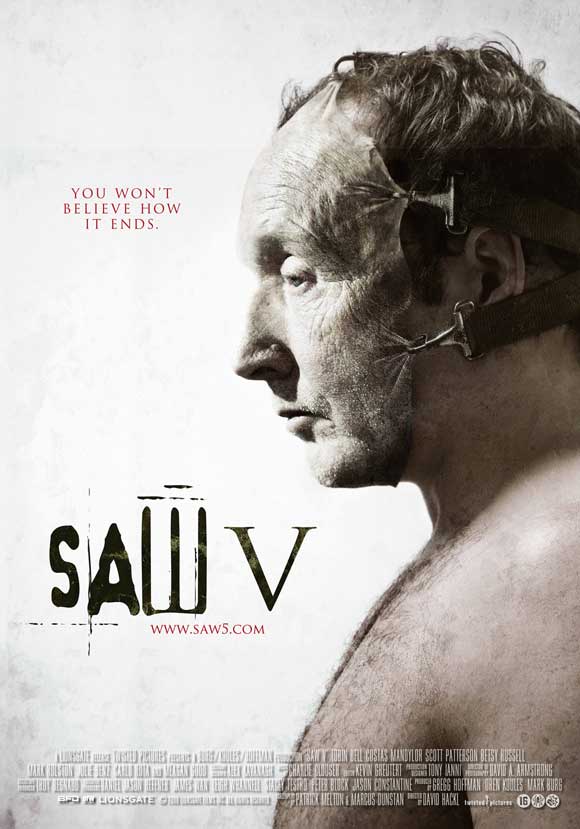
Firstly, is it just me or does the above poster for Lincoln remind you of the poster for Saw V? Secondly and more importantly, I think “Lincoln” is a misleading title. You may think it’s an historical biopic, charting the life of one of America’s great presidents from humble beginnings in a log cabin to the question of just why the flipping fuck he wore a stovepipe hat. Actually, the film is more about the Thirteenth Amendment to the Constitution and the subsequent abolition of slavery. Don’t get me wrong, old Abe features heavily, but it’s not the life story you may have expected.

“I am the president of the United States of America, clothed in immense power! You will procure me those votes!”

Lincoln is set in 1865 and follows the 16th President of the United States, Abraham Lincoln (Daniel Day-Lewis), through his tumultuous final year in office. We see him try to balance his passion for the Thirteenth Amendment’s approval, his role as Commander-in-Chief during the particularly bloody and nasty Civil War and his family life. Having only a passing knowledge of U.S. history, I certainly felt like I was learning a lot about Lincoln and his plight. He seems constantly trapped between a rock and a hard place in everything he does. He’s expertly played by Daniel Day-Lewis who shows why he’s often considered the “greatest actor ever”. Sally Field does a fantastic job as Mary Todd Lincoln, giving us a real emotional core to the film and not overplaying Mary Todd’s apparent bipolarity. Tommy Lee Jones is amazing as radical Republican Thaddeus Stevens, a real spitfire of a man who destroys people in debates, leaving nothing but a gasping wreck. Joseph Gordon-Levitt also pops up as Lincoln’s eldest because he’s just fucking everywhere at the moment (no bad thing, I think the guy’s brilliant). The film wins big points from me by having Jared Harris turn up as Ulysses S. Grant. Best casting ever. Apart from maybe Lincoln himself.

I really like this portrayal of Lincoln. Rather than fall at his feet and lick his boots, the film is clever enough to occasionally paint him as kind of annoying. He’ll launch into a rambling, seemingly unrelated anecdote at the drop of a hat, even causing one character to get annoyed at hearing yet another Lincoln yarn and storm out. That particular scene is amazing because Lincoln appears out of nowhere, blanket wrapped round his shoulders and just suddenly, with barely any provocation, starts spinning a tale about a painting of George Washington.  At times, he seems like a doddering kindly grandfather, doling out wisdom and warmth. I’d like to think that’s how he actually was. The film’s proper finale barely features Lincoln at all, instead giving us a nail-biting final vote on the Amendment. Even though we all know how it turns out, it’s still tense and exciting stuff. Never will another film be able to squeeze so much drama from someone saying yes or no.

No matter how you slice it, Lincoln had “prestige picture” written all over it before the ink had dried on the title. It’s exactly the sort of pandering film the Academy drop trou for. That’s not to say it’s not got any merit, I just feel that this film in particular was giftwrapped and left with a flirty note on the doorstep of Oscar HQ. All of the performances from the  lead to people who only say a few lines are faultless. The scope and direction are superb. The cinematography by long-time Spielberg collaborator Janusz Kaminski is authentic and breathtaking. Most of the film’s action is to be found within the speeches, leading to some incredible monologues. Even objectively, this is high calibre, cream-of-the-crop stuff.  So why aren’t I more involved? I must admit, at times I felt rather simple as my shallow knowledge of U.S. politics betrayed my understanding of what exactly the crikey shit was happening. I soon caught up, but over its runtime the film lost me several times. Whilst I didn’t mind lagging behind the film in terms of understanding, the thing I did mind was John Williams’ obvious and hand-holding score, which flat-out told me how to react to scenes. It pains me to criticise Johnny W, but his sweeping,  sentimental score put me off at times, often undermining the emotion on screen by overegging the pudding. I feel this is more Spielbeard’s fault though.

“No one has ever lived who knows better than you the proper placement of footfalls on treacherous paths.”

I’m struggling to say anything else about Lincoln. It’s an incredibly well made film, for sure. However, I did find my attention waning slightly due to the occasional impenetrable brick wall of laws, bylaws and political rhetoric. It’ll probably win most, if not all of the Oscars it is up for (DD-L for Best Actor fo sho) but there are other Best Picture nominees I’ve been more engrossed by. My guess is that it’ll win a buttload of awards and fade from the public consciousness pretty damn quickly.

Django Unchained

Now that Potter’s done and dusted, time for your regularly scheduled programming. If you hurry, you can probably still catch Django Unchained in the cinemas, so hooray for relevance. I finally got to see it last week and it’s still buzzing around my head.

Django Unchained (2013)

Much like most people and things that are popular in this Internet savvy world, Tarantino is a polarising director. Some people can’t get enough of his mashing of genres and love of all things bloody whilst other people can’t stand his posturing bullshit and find him to be massively overrated. I belong in the former camp. There are very few Tarantinos I haven’t enjoyed and I really appreciate the passion for all things cinema that permeates all his work. Since its release, Django has been doing the controversy circuit, partly due to its subject matter and partly because American suburban mothers like appearing on the news to discuss violence and oh god won’t somebody think of the children. Meanwhile in a tragi-comic turn, their kids are at home eyeing up the unsupervised family stockpile of firearms as a solution to the bullying problems they’ve had at school that the mothers were too busy appearing on television to pay any attention to. It’s a fucked up world. Anyway- back on topic.

“Gentlemen, you had my curiosity. But now you have my attention.”

Django Unchained follows Django (Jamie Foxx) a slave who is freed by bounty hunter Dr. King Schultz (Christoph Waltz). Schultz makes a deal with Django that if he points out his former slave drivers, the Brittle brothers, Schultz will make him a free man and help find his wife, Broomhilda (Kerry Washington) who is under the ownership of Southern plantation owner Calvin Candie (Leonardo DiCaprio) and his confidant Steven (Samuel L. Jackson). Cue the usual Tarantino roaring rampage of revenge. Of Tarantino’s films, Django is most like his previous effort, Inglourious Basterds in terms of it being a hyper-violent historical remix. I’d forgotten all about Jamie Foxx, but he makes a barnstorming return to the forefront of my mind as Django. He’s fantastic and gives a perfectly understated performance. Christoph Waltz gives us another memorable character in the form of Dr. King Schultz, who is best described as a Bizarro World Hans Landa. Leonardo DiCaprio gives an amazing turn as the detestable Candie and Samuel L. Jackson is a brilliant scary Uncle Tom figure. The only possible problem is with Kerry Washington’s criminally underused Broomhilda, who doesn’t get to do much.  I thoroughly enjoyed Django‘s story. It’s so rare for me to sit down and have no idea where the story is going or who’s going to do what. Modern film plots are usually so signposted and telegraphed I barely see the point in seeing anything more than the trailer. Django drew me in and then hit me with several plot turns that I couldn’t have anticipated.

The unavoidable talking point is the film’s setting as it takes place during the heyday of slavery, about two years before the Civil War.  Look- slavery is one of the ugliest things we as a species have done. There’s no getting away from that. As a privileged white male I realise it’s the furthest thing away from what I can fully appreciate and understand. There have been understandable cries of racism from several groups of people, with the now culturally irrelevant media whore Spike Lee accusing Django of  being “disrespectful” to his ancestors. Slavery has been one of those areas that has been off-limits to anything but reverence for a long time. I think it’s kind of refreshing to have Tarantino make a violent cartoon out of something so serious. To keep something, no matter how horrible, locked in a little box preventing it from being talked about in any manner but hushed respect is odd to me. Hey, people may avoid stuff like Roots and Amistad, but even thick types will go and see Django. To move on as a people, we sometimes have to face the dark side. At least us Brits faced up to what murdering and pillaging bastards we were whilst flying under the Empire’s flag, right?

Django is not a stony-faced exposé of the horrors of slavery, but it does confront you with some uncomfortable truths from time to time. There are two flavours of violence in Django: the realistic, palpable cruelty to slaves and the usual, over-the-top bloody fun. Never do the twain meet. Also, to people who have a problem with the film’s usage of the “n word”- grow up. This is superficial stuff. These were slavery times. It’d have been very strange to have the plantation owners calling their slaves “African-Americans” just for the modern audience’s benefit and comfort. It’s a bad word, yeah, but the difference between how the characters use it is very cleverly done. Watch how Schultz and Django use it compared to someone like Candie, it’s like ash in their mouths – only used as a necessity to keep their cover from being blown. I get the feeling that Tarantino wanted some of the controversy he received  There are some excellent bits including Django whipping the fuck out of a white slaver and a shot of blood splattering over some cotton fields that were bound to get a few tongues wagging.

Serious stuff aside, the film pops along at a fantastic pace.  It’s maybe slightly too long (a feeling not helped by the fact that the film has what feels like a climactic battle and then carries on for a further 20 minutes) but I was entertained every step of the way. The only things that broke my immersion were the appearances of Jonah Hill, purely because I was too busy thinking “hey, that’s Jonah Hill!” rather than paying attention to the story and Tarantino himself on fine non-acting form and doing a strange accent. These were only momentary things though and it was soon back to being brain-deep in awesome dialogue and decent directorship. Tarantino’s ear for amazing soundtracks serves him well again with a hugely eclectic mix of tracks ranging from Ennio Morricone to 2Pac. Some songs in Django just make the scene and I had a huge grin on my face when this happened.

The major successes of the film are Waltz, DiCaprio and Jackson. I’m inclined to talk less about Waltz because we all know he’s good.  His Dr. Schultz is every bit as erudite and charming as Basterds’ Landa, except you don’t feel bad for liking him. DiCaprio and Jackson were the real surprises for me. Leo’s never played this kind of character before. Candie thinks he’s sophisticated and enigmatic, but he’s really just pretentious and hateful. One of my favourite scenes in the film was when DiCaprio’s Candie is explaining through the use of Phrenology (a pseudo-science based on the shape and size of the skull) why black people are inherently subservient. It’s tension-filled and unpleasant. You want Candie to shut his vile mouth as quickly as possible, but at the same time, you’re utterly fascinated by what batshit thing he’s going to say next. When he wants to, Tarantino can ratchet up suspense with the best of them (see also: the opening scene of Inglourious Basterds). There’s a moment where Candie slams his hand down on the table, cutting his hand. This is real- DiCaprio accidentally cut himself and kept going despite the red stuff gushing from his hand. Wow. Jackson finally gets to play a role where it isn’t a “Holy shit, we got Samuel L. Jackson!” type part as seen in things like the Star Wars prequels, Snakes on a Plane and The Avengers. He’s awesome in this film. Whilst this isn’t the best critical statement to make, it’s worth saying that Django is the coolest film I’ve seen in a long damn time.

“I like the way you die, boy.”

I don’t want to just go on and on about how much I enjoyed Django. Tarantino’s a genre unto himself and I happen to be a big fan of what he does. Django isn’t going to change your opinion of him, whatever that may be. The guy consistently entertains me, what more can I say?

Harry Potter and the Deathly Hallows: Part 2

Finally finishing the Scarhead Foureyes franchise off so I can concentrate on non Potter things. As with all my reviews, this one is spoiler heavy. If you’re one of the 5 people on the planet who haven’t seen the Harry Potter films, flee this place.  Anyway, let’s get this shit done.

Harry Potter and the Deathly Hallows: Part 2 (2011)

Cards on the table straight away. I was disappointed with Part 2 after seeing it in cinemas. It just didn’t seem like the fitting end to the series that had seen me right through my teens and into my twenties. As I said in my review of Part 1, I watched the final two parts as one long film, pausing only a few times to weep about the fact I have nothing better to do with my days than conduct a 5 hour-long Potter session. As a result, I must say I’ve softened on Part 2. It’s still flawed, but none of the problems I initially had with it bothered me as much this time round.  If you can fend off arse numbness for that length of time, I suggest you watch the last two parts together. It may make you more frustrated at the glacial pace of the first part, but the action-packed second film makes up for it.

“Join me in the forest tonight and confront your fate.”

They’re not kidding on that poster above when they say “it all ends”. Leading on directly from Part 1, Harry (Daniel Radcliffe), Ron (Rupert Grint) and Hermione (Emma Watson) are still on the hunt for the remaining Horcruxes to weaken Lord Voldemort (Ralph Fiennes) enough to stop him once and for all. Voldemort and his army of Death Eaters wage war on the last bastion of good, Hogwarts castle, now run dictatorially by Severus Snape (Alan Rickman). Part 1 was all set up and Part 2 is all pay-off. The lead three give great performances. Ralph Fiennes gives good evil as Voldemort and Rickman finally gets to be the good guy. No problems with the acting at all. Nearly all the fan-favourite series veteran characters like Molly Weasley and Neville Longbottom get  “fuck yeah!” moments in this film which all work well. Especially the long-suffering Neville’s.

The one main problem I had with Part 2 that still holds water is that some of the elements feel rushed. They had two long films to give the writing room to breathe and still there are important elements and character deaths that are glossed over. I understand that in the process of adapting a dense tome like Deathly Hallows for the screen, things will have to be cut, but some of this is inexcusable. How about Fred Weasley dying? He’s a series regular who is given nothing but a corpse shot to show the audience he snuffed it off-screen. Same with Lupin and Tonks. Hermione and Ron finally getting it together is also done with one unconvincing kiss and subsequent hand-holding. Yeah, alright, there’s a bleeding great war happening, I know we shouldn’t be seeing their first few dates or anything, but with all the Ross/Rachel shit we had to endure throughout 7 films, you’d think they’d care enough to not skim over a crucial moment in a series-long story arc. Speaking of which, there’s one line I truly fucking hate in this film. It’s when Harry, Ron and Hermione are in the Room of Requirement and are attacked by Malfoy and his cronies. A few Avada Kedavras are thrown at the gang and Ron runs after them screaming “Aaarrrgh! That’s my girlfriend you numpties!”. They just tried to kill her, Ron. They didn’t knock her books out of her hands in the Hogwarts corridors or put a spider down her dress. I know you can’t call people “cunts” in a PG-13, but something a little stronger than “numpty” would have been better. Or better still, no line. Just have Ron chase after them, screaming. Whilst I’m nitpicking like a fastidious chimpanzee, here’s something that bugged me throughout the series but was especially prevalent here. When performing a spell, does one have to say the proper incantation or not? In every film, there are several moments where spells are cast without some Latin phrase being spoken. Can you just think the phrase instead? If so, why bother saying the incantation out loud considering you can think it faster than you can say it?  Answers on a postcard please.

So, the rest of it. It’s damn good. Tell you what, the effects are incredible in this one. Good effects do not a good film make, but when they’re used to bolster the story like in this film, it’s amazing to watch. The early Gringotts sequence is a good example and definitely up there in terms of the series’ greatest moments. Firstly, you have Helena Bonham-Carter doing an awesome job of playing Hermione playing Bellatrix. Then you have some seriously impressive CGI in the form of the vault dragon and the room of multiplying goblets and trinkets. Finally, a well-constructed escape that’s as thrilling as it is technically impressive. Goddamn is that bit enjoyable. For the first time in the series, this Potter film gets to try its hand at epic Lord of the Rings style battles between the Hogwarts crew and the Death Eaters. The final result is every bit as good as some of Jackson’s best work. The stone statue guards cutting down wave after wave of wizards, trolls and spiders are a personal highlight.

The film undeniably belongs to Rickman’s Snape who finally reveals his true colours. Whilst setting it up is contrived (Voldemort has been Avada Kedavra-ing everyone so far, why would he suddenly prefer to use a combination of  some other spell and Nagini, especially considering Snape has been loyal to him?)  His death is well done and the following Pensieve sequence tugs at the heartstrings like a motherfucker. Snape becomes the tragic hero fans of the book have been clamouring to see and Rickman sells it perfectly.

When it comes down to that moment between Harry and Voldemort, it’s every bit as good as it should be. It’s an entertaining multi-stage fight that ends with both duellists crawling to their wands. It’s brilliant stuff. The one problem I have is the way Voldemort (and Bellatrix before him) die. They both turn into thousands of little bits of ash and it devalues the whole thing. To have decent characters explode into kiddie friendly confetti is a damn shame and reeks of a “won’t somebody please think of the children?!” hysterical nudge decision from the higher-ups.

“You have your mother’s eyes.”

So yeah, Part 2. It’s much better than Part 1. It’s not perfect and there are a few issues and niggles that hold it back from being a total success in my eyes, but it’s a very respectable end to the franchise. Have I learned anything from rewatching and reviewing all the Potters? Not really. However, I did gain a new favourite Potter film in the form of Half-Blood Prince.  It’s one of the best franchises out there, with the quality remaining fairly consistent despite a few stumbles and pitfalls along the way.  It’s been fun.

Harry Potter and the Deathly Hallows: Part 1

Sorry for the delay in rounding off the series. Due to pre-existing issues I have with Deathly Hallows: Part 2, I was instructed to view them as one long film. So I did just that. It was an interesting experience. It was like Das Boot except nothing like it at all. I’m still going to review them separately, but perhaps it will give me a better outlook of the finale as a whole.

Harry Potter and the Deathly Hallows: Part 1 (2010)

Unlike the recent and upcoming literary adaptations of The Hobbit, Twilight and The Hunger Games that are actively taking the piss out of their audience by dividing one-book stories into multiple films, the splitting of Deathly Hallows feels justified. I mean, have you seen the size of that fucking tome? It’s thick enough to bludgeon a horse. It’s hefty. The last Hunger Games novel Mockingjay, by comparison, is barely enough to trouble a sparrow with. With Potter it felt that they really wanted to do the book justice. That’s fine with me. It’s a rather odd way to start a review, but I’ve seen several articles tarring the Hallows films with the same brush as the aforementioned others. It ain’t the same thing, people.

“Seems strange, mate. Dumbledore sends you off to find a load of Horcruxes, but doesn’t bother to tell you how to destroy them. Doesn’t that bother you?”

With Harry (D-Rad), Ron (Ru-Grin) and Hermione (Em-Wat) all deciding to go on the run and hunt down the remaining Horcruxes (pieces of Voldemort’s (Ralph Fiennes) soul) we see Hermione wipe her parents’ memories of her and the Dursleys leave Privet Drive. The film follows the three as they trek across the British countryside, trying to track down the missing Horcruxes and, more importantly a way to destroy them. New additions to the cast include Bill Nighy as Rufus Scrimgeour, the new Minister of Magic and Rhys Ifans as Luna’s dad and Quibbler editor Xenophilius Lovegood. Part 1 strips away nearly all the familiar elements to the Potter series.  There are no Dursley hijinks, save for them hurriedly bundling their stuff into their car. There’s no threat to Harry returning to Hogwarts. In fact, Hogwarts is almost completely absent from the film. This paring down of  the HP hallmarks is an effective move and really drives home the fact that the gang are on their own. The acting trio build on their successes in the last flick and do really well here.

Hallows Part 1 begins as it means to go on with unremitting bleak, bleaky grimness. In the opening 20 minutes all manner of tits go up. Probably the most chilling scene in the series happens at the Malfoy’s mansion where a tortured and battered Hogwarts teacher is callously killed and fed to Voldy’s fuck-off snake, Nagini. We say goodbye to one of my favourites, Mad-Eye Moody, played brilliantly by Gleeson, although I feel short-changed that such a great character is killed off-screen and dismissed with a single bit of dialogue. The chase sequence is definitely something new. It’s weird seeing cars flipped Hollywood style in a Potter film. Thankfully, there’s some brief levity at The Burrow but it’s not long before all the destruction and anguish start up again. When the gang finally go on the lam, there’s a fantastic scene in a typical greasy spoon cafe where all of a sudden our heroes are ambushed by two plain-clothed Death Eaters. It reminded me of films like The Bourne Supremacy where danger can come out of nowhere and nobody is to be trusted. There’s some fun to be had with a Mission: Impossible style bit where Harry, Ron and Hermione polyjuice their way into the Ministry of Magic, cathartically ending with Umbridge getting knocked the fuck out.

Then for a long while nothing happens. The trio travel to increasingly cold looking forests, trying to figure out their next move. The film feels like it’s treading water at this point. Ron starts getting all angry and jealous thanks to the One Ring Horcrux around his neck and leaves, convinced there’s something going on with Harry and Hermione.  This really doesn’t have the emotional impact I feel the film’s going for. He just buggers off for a while and then comes back. It’s been a while since I read the last Potter, but this part probably works better on paper. Maybe they were too faithful to the book. Something that doesn’t appear in the pages is a scene where Harry and Hermione dance to a Nick Cave song. It’s a good track, but an odd scene. God knows what compelled them to just add it in. It sticks out like a neon thumb.

The film starts building up steam again when the gang visit Xenophilius’ house. We’re presented with a fantastic animated bit as the group find out about the Deathly Hallows as Hermione reads the story of The Three Brothers. The creepy gothic tale coupled with the amazing shadow marionette style visuals are a real treat and do a great job of getting the film back on track and giving us the stakes. Then everything’s back to entertaining business as usual. In my mind, the film falters slightly when Dobby shows up 1) because I hate the little sod and 2) the film has moved so far into darker territory that the appearance of squeaky voiced CGI muppet seems at odds with everything else. This isn’t a film breaker though and they do manage to squeeze some emotion out of it all. The film ends pretty abruptly but leaves us with an awesome final image to get us pumped for the next film.

“I have seen your heart, and it is mine.”

I’m going to be harsher on Part 1 than I originally thought I would be. The film is a brave step away from the formula but it’s inconsistent. The second act drags like a bastard, weighed down with a whole lot of nuthin’ and it kills the pacing stone dead. I’m all for quiet introspection and little character moments, but I was shaking my TV by the end in a vain effort to move the plot along. It’s by no means bad, just plodding at times.

QUIDDITCH WATCH: Are you kidding? There’s no time for such frivolity! This is the end of this non-feature. Away with you.